
Applications
Where FlexiDam is put to work
The same welded construction serves a farm dam, a mine's dust suppression supply and an emergency drinking water point. Choose the economical 800gsm heavy-duty liner, or 720gsm food-grade where people will drink the water.
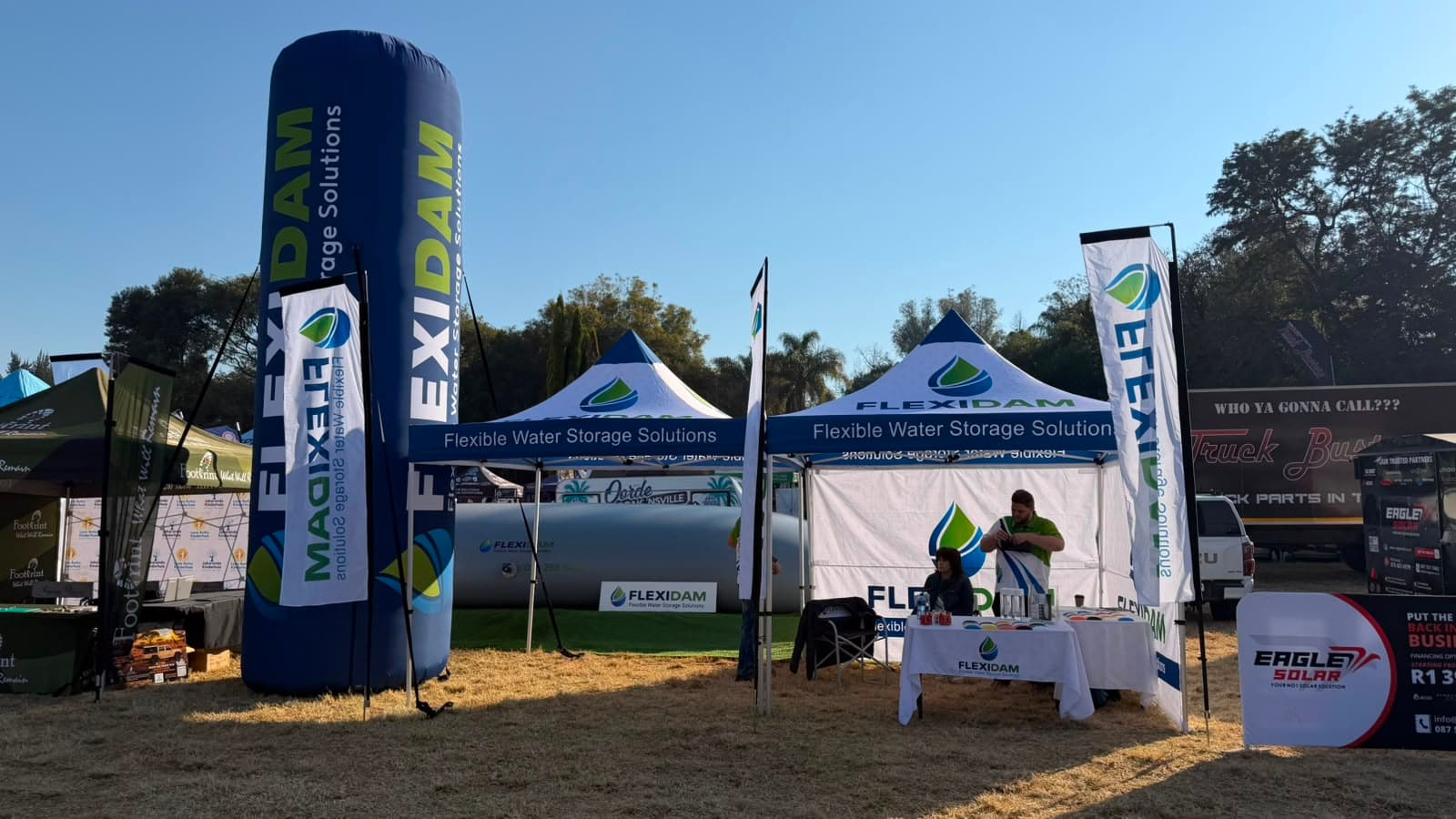
Water storage bladders
Pillow tanks welded from a single membrane, with no joints to seep and no lid to open. The closed form keeps light out, so algae never gets started and evaporation is effectively nil.
Emergency water storage
Folds flat for transport and deploys onto prepared ground without cranes or concrete. Order it in food-grade liner and the same tank serves drinking water, not just process water.
Firefighting reserve
A static water supply positioned where the risk is, ready to draft from the moment it is needed. On farms and remote sites the nearest hydrant is often a district away.
Agricultural reservoirs
Irrigation buffering, livestock supply and rainwater harvesting at volumes that make a rigid tank impractical or prohibitively expensive.
Mining water storage
Process water, dust suppression and potable supply on sites where storage has to move as the operation does.
Industrial containment
Cooling water, wash-down supply and buffer capacity, with weld adhesion figures published so fabricators can design to them.
Flexible water tanks
Bespoke sizes fabricated to a site's actual footprint rather than to whatever a mould happens to produce.
Temporary storage
Construction, events, pool repairs and disaster relief. Hold the water beside the job instead of dumping it, then put it back when the work is done.
Why a flexible tank
What a bladder does that a rigid tank cannot.
The material is half the story. The other half is what happens before the tank is full and after it is empty.
It travels as a parcel
A tank that will hold hundreds of thousands of litres arrives folded on the back of a bakkie. No abnormal load, no crane, no concrete slab waiting at the other end.
Made to the job, not a mould
Every tank is fabricated to order, so the size, the colour and the number and position of inlets and outlets follow your site rather than a catalogue page.
Water kept, not written off
Repairs, testing and clean-up work usually mean dumping water to get at the problem. A flexible tank holds it beside the job, spill-free, and gives it back afterwards.
Gone when the job is
Drain it, fold it and shelve it until the next season. For once-off work you do not even have to own it: we rent tanks out for the duration of a project.
Before you install
Three things that decide how long a tank lasts.
None of them are about the material. They are about the site.
Prepare the base
A cleared, level bed free of stones and sharp stubble. The membrane is tough, but it is a membrane, and it takes its shape from what is underneath it.
Leave room for the fill
A pillow tank spreads as it fills. Allow margin around the nominal footprint rather than fitting it to a bund exactly.
Never restrict the breather
The overflow and breather let the tank equalise as it fills and draws down. Modifying or blocking them is the single most common cause of damage.
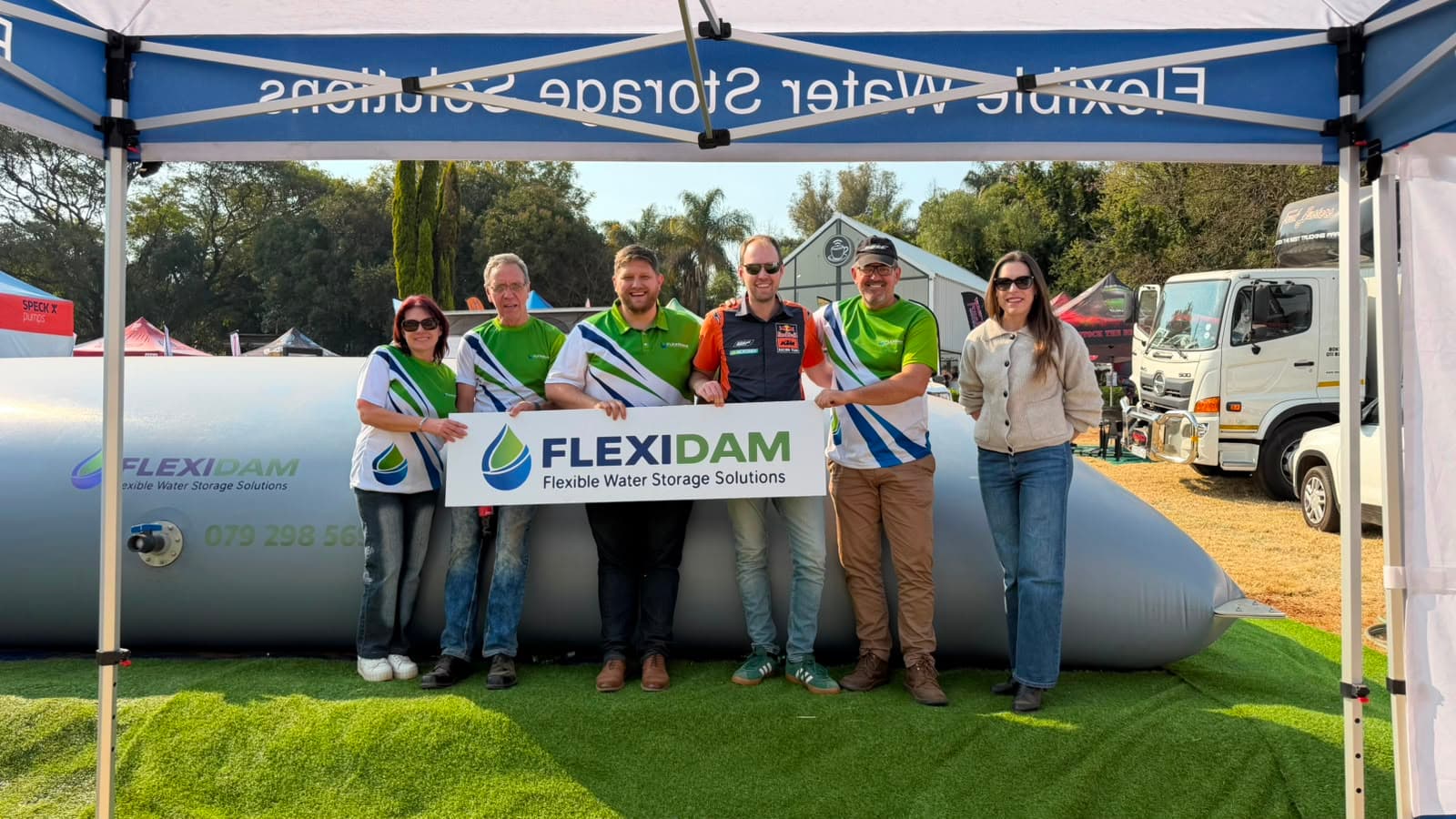
Not sure which size fits your site?
Send us the volume you need and the space you have. We will tell you what will actually fit.